

Safety on construction sites isn’t optional — it’s fundamental to every successful project. With heavy equipment, elevated work areas, dynamic environments, and stringent regulatory standards, construction remains one of the most hazardous industries. At ProCon LTD, we prioritize workplace safety and build a safety culture that protects workers, improves efficiency, and prevents costly incidents. This comprehensive guide outlines essential building safety tips every worker should know — grounded in industry best practices, regulatory insight, and field-tested protocols.
Why Construction Safety Matters
Construction accidents can lead to serious injuries, project delays, and legal consequences. According to safety reports, falls, equipment incidents, and lack of protective gear are leading causes of jobsite injuries. A proactive safety strategy — including training, adherence to protocols, and continuous hazard awareness — significantly reduces risk and enhances productivity.
1. Wear and Maintain Proper Personal Protective Equipment (PPE)
The right PPE is a frontline defense against common jobsite hazards. Essential items include:
-
Hard hats and helmets
-
Safety glasses or goggles
-
High-visibility vests
-
Steel-toe boots
-
Gloves and hearing protection
Ensure all PPE fits correctly, is in good condition, and is inspected regularly for wear or damage. Replacing worn gear promptly prevents unnecessary risk.
2. Participate in Regular Safety Training
Ongoing safety training keeps workers informed on best practices, changing standards, and job-specific hazards. Training should cover:
-
Equipment operation protocols
-
Hazard recognition
-
Emergency response procedures
-
Fall protection and working at heights
Well-structured training directly contributes to reduced injuries and improved compliance with workplace safety standards.
3. Stay Alert and Aware of Your Surroundings
Construction environments are dynamic. Workers must consistently observe their surroundings to identify hazards, including:
-
Moving machinery and vehicles
-
Uneven ground or tripping hazards
-
Overhead work zones
-
Unsecured materials
Habitual vigilance reduces accidents caused by complacency. Avoid distractions, such as mobile device usage while on site.
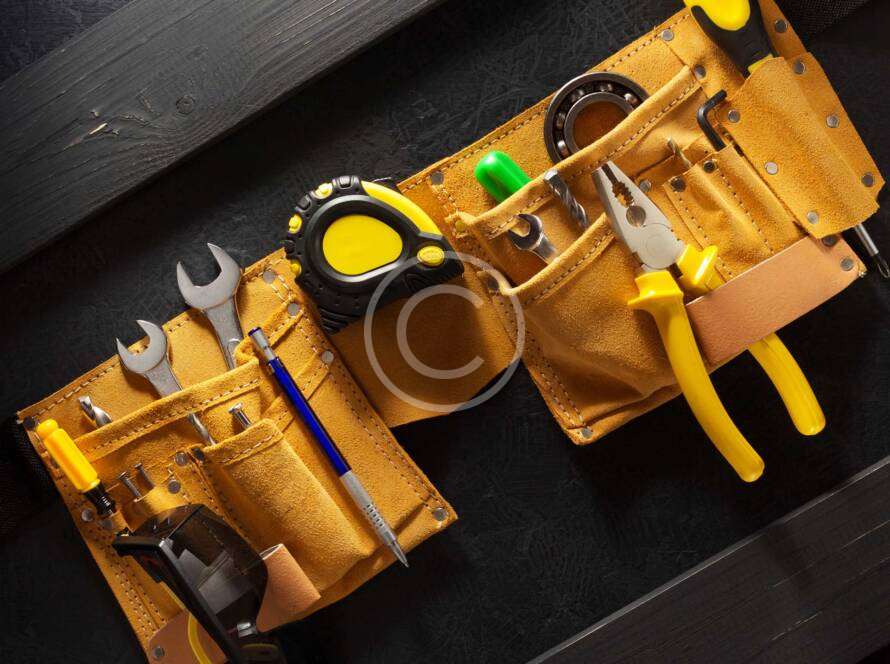
4. Use Tools and Machinery Safely
Improper operation of tools and equipment is a major cause of injuries. To minimize risk:
-
Only operate tools you are trained to use
-
Inspect equipment before use
-
Follow manufacturer guidelines
-
Report defective or damaged tools immediately
Always secure equipment when not in use to prevent unintended activation or risk to coworkers.
5. Practice Smart Lifting and Manual Handling
Lifting heavy loads incorrectly can cause severe strains and long-term injury. Follow safe lifting techniques:
-
Bend at the hips and knees
-
Keep loads close to your body
-
Avoid twisting while lifting
-
Ask for help or use mechanical aids when loads are heavy
Mechanical devices like hoists and forklifts reduce physical strain and should be used whenever possible.
6. Keep the Worksite Clean and Organized
A cluttered site increases risk — particularly slips, trips, and falls. Good housekeeping practices include:
-
Clearing walkways of debris and tools
-
Organizing materials in designated storage areas
-
Removing waste consistently
-
Maintaining clear access to exits and emergency paths
Consistent site organization enhances safety and workflow efficiency.
7. Implement Effective Fall Protection
Falls remain a leading cause of serious injury in construction, especially when working at height. To mitigate this risk:
-
Use guardrails, safety nets, or personal fall arrest systems
-
Ensure scaffolding and ladders are properly secured and inspected
-
Complete task-specific fall protection training before working elevated surfaces
Fall protection equipment and procedures must align with established safety standards.
8. Communicate Clearly Across the Crew
Clear communication isn’t just courteous — it’s safe. Construction sites rely on:
-
Verbal communication and standardized hand signals
-
Daily briefings or toolbox talks
-
Reporting protocols for hazards or incidents
Well-coordinated communication helps teams anticipate risks, align on procedures, and maintain situational awareness.
9. Understand and Follow Safety Signage & Procedures
Construction sites deploy numerous safety signs and procedures that communicate hazards and required actions. Workers should:
-
Obey posted warnings and instruction signs
-
Understand safety color codes and symbols
-
Ask supervisors for clarification when unsure
Compliance with posted signage supports overall site safety.
10. Report Unsafe Conditions Immediately
Creating a safety culture means empowering every worker to speak up. Reporting hazards promptly helps supervisors address risks before they cause harm. A strong reporting culture often includes:
-
Clear reporting pathways
-
Anonymous reporting options
-
Recognition for proactive safety engagement
A collaborative safety environment protects everyone on site.
ProCon LTD’s Commitment to Construction Safety
At ProCon LTD, safety is integrated into every project — from planning and risk assessment to execution and quality assurance. Our team adheres to recognized safety protocols, employs qualified professionals, and fosters a safety-first mindset at every level of operation. Through comprehensive training, systematic site inspections, and proactive hazard management, we protect our workforce and deliver exceptional construction outcomes you can trust.
Frequently Asked Questions (FAQs)
Why is construction safety training important?
Training equips workers with the knowledge to recognize hazards, operate equipment safely, and respond effectively in emergencies — reducing injury risks and improving compliance.
What is the most common cause of construction injuries?
Falls, improper tool use, and lack of PPE are among the most frequent causes of jobsite injuries. Proper protection and awareness significantly lower these risks.
How can workers contribute to a safer site?
Workers can contribute by staying alert, wearing required PPE, reporting hazards immediately, and participating actively in safety briefings and training.
Build Safe, Work Smart, Go Home Safe
Construction safety isn’t a checklist — it’s a continuous commitment. By following these essential building safety tips, workers not only protect themselves but also contribute to a safer, more productive jobsite. If your project needs reliable construction services backed by strong safety practices, contact ProCon LTD today.